
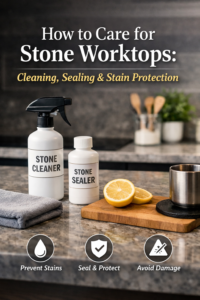
A well-made kitchen surface can last for decades, but only if it’s looked after correctly. At Imperial Worktops, we see firsthand how proper care protects both appearance and performance. A stone worktop adds strength, character, and a premium finish to a kitchen, yet many homeowners damage their surfaces without realizing it through incorrect cleaning or poor habits. This guide explains, in simple and practical terms, how to clean, seal, and protect your surface so it stays in excellent condition for years in real UK homes.
Understanding Your Stone Worktop
A stone worktop may be made from natural materials such as granite, marble, or limestone, or from engineered stone like quartz. Each material behaves differently, but all require care that respects their structure and finish.
Natural stone is usually porous, which means liquids can soak in if they are left on the surface for too long. Engineered options are more resistant but still benefit from proper cleaning routines. Knowing what material you have helps you avoid mistakes that can shorten the life of your kitchen surface.
Daily Cleaning Tips for Stone Worktops
Daily cleaning should always be gentle and consistent. Warm water and a small amount of mild washing-up liquid are more than enough for everyday care. Wipe the surface using a soft cloth, then dry it to prevent streaks or water marks from forming.
Harsh cleaners, bleach, vinegar, or lemon-based sprays should be avoided. These products slowly damage the surface and can weaken a stone worktop over time, even if the damage is not immediately visible.
Best Products for Everyday Cleaning
Choose pH-neutral cleaners designed for stone surfaces. Microfiber cloths work well because they lift dirt without scratching. Simple methods used regularly are far more effective than strong chemicals used occasionally.
How to Deep Clean a Stone Worktop Safely
Deep cleaning is only necessary when grease or residue builds up, usually after periods of heavy cooking. Start by clearing the surface thoroughly.
Apply a specialist stone cleaner according to the manufacturer’s instructions. Allow it to work on the surface, then wipe gently. Rinse with clean water and dry thoroughly. Avoid scrubbing, as excessive pressure can dull the finish and reduce natural shine.
Sealing a Stone Worktop—Why It Matters
Sealing protects the surface by slowing down liquid absorption. Without sealing, spills can penetrate the stone and cause stains that are difficult to remove.
Most natural stone surfaces need resealing every one to three years, depending on how heavily the kitchen is used. A simple test is to place a few drops of water on the surface. If the water darkens quickly, sealing is required.
How to Seal a Stone Worktop Properly
Start with a clean, dry surface. Apply the sealer evenly using a soft cloth, working in small sections. Allow the product to absorb, then wipe away any excess. Leave the surface untouched until fully cured.
Protecting a Stone Worktop from Stains
Stains often come from everyday kitchen items such as oil, wine, coffee, or sauces. The most important habit is to wipe spills immediately before they have time to soak in.
Using chopping boards for food preparation and coasters for drinks reduces direct contact with liquids. Even a sealed stone worktop benefits from these small but effective habits.
Removing Stains Safely
Oil-based stains may require a stone-safe poultice. Watermarks can often be removed with gentle polishing. Food stains are usually easier to treat if handled quickly. Avoid home remedies that involve acidic or abrasive ingredients.
Heat, Scratches & Impact Protection
Stone surfaces cope well with heat, but sudden temperature changes can still cause stress. Always place hot pans on trivets, and never move cookware directly from the hob onto a stone worktop.
Cutting directly on the surface may lead to fine scratches over time and can dull knives. Dropping heavy items near edges can cause chips, so careful handling is essential in busy kitchens.
Long-Term Maintenance Tips
Weekly cleaning and monthly checks help spot problems early. Look for dull patches, increased water absorption, or small chips around edges.
Professional maintenance can restore the finish and reseal the surface when needed. With consistent care, a stone worktop will continue to perform well and look attractive for many years.
Common Stone Worktop Care Myths
Many homeowners believe that stone surfaces do not stain, that sealing lasts forever, or that stronger cleaners work better. These misconceptions often lead to unnecessary damage.
A stone worktop is durable, but it responds best to gentle, informed care rather than aggressive cleaning methods.
When to Call a Professional
If stains do not lift, sealing fails repeatedly, or cracks appear, professional advice is recommended. Early repairs are more effective and help prevent further damage.
Specialists can assess whether restoration or replacement is the most sensible long-term option.
Conclusion
Looking after a stone worktop does not require complicated routines or expensive products. It requires consistency, awareness, and the right approach. Clean gently, seal when needed, and protect the surface from everyday risks. With proper care, your worktop will remain a strong and attractive centerpiece in your kitchen for years to come.
FAQS
1. How often should stone surfaces be cleaned?
Stone surfaces should be cleaned daily using warm water and a mild, non-abrasive cleaner to prevent buildup and surface damage.
2. Do all stone surfaces need sealing?
Most natural stone surfaces need sealing, while engineered stone usually requires less frequent sealing.
3. How can I tell if resealing is needed?
If water no longer beads on the surface and absorbs quickly, it is time to reseal.
4. Are stone surfaces resistant to stains?
Stone surfaces are durable, but they can stain if spills are left untreated, especially oils and acidic liquids.
5. Can vinegar or bleach be used to clean stone?
No, vinegar and bleach can damage the surface and should never be used on stone.
6. Are stone surfaces heat-resistant?
Stone surfaces handle heat well, but hot pans should always be placed on trivets to avoid damage.
7. What is the safest way to remove stains?
Stains should be treated quickly using stone-safe cleaners designed for the specific stain type.
8. Can scratches appear over time?
Minor scratches can occur, especially from cutting directly on the surface, but many can be professionally repaired.
9. How long does sealing usually last?
Sealing typically lasts between one and three years, depending on usage and stone type.
10. When should a professional be contacted?
A professional should be contacted if stains persist, sealing fails repeatedly, or cracks and chips appear.
Follow us on “Facebook” and “Instagram.”