
Choosing the right kitchen surface is one of the most critical decisions in any renovation. At Imperial Worktops, many homeowners ask whether natural stone is worth the commitment or better admired from a distance. Among all options, marble worktops continue to attract attention for their elegance, history, and unmistakable character.
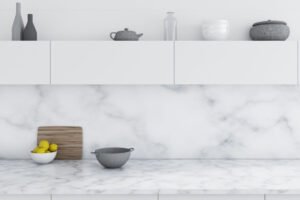
This guide is written for people who want a clear and realistic understanding of marble in everyday kitchens. It does not promise perfection. Instead, it explains what marble offers, what it demands, and who it truly suits.
Understanding Marble as a Kitchen Surface
Marble is a natural stone formed when limestone is exposed to heat and pressure over long periods. This process creates the veining and color variation that makes each slab unique. No two kitchens ever look the same when marble is used, which is a significant reason marble worktops remain desirable.
Unlike engineered materials, marble cannot be manufactured to exact patterns. Its appearance depends on nature rather than machinery, which appeals to homeowners looking for authenticity instead of uniform finishes. This natural origin also explains why marble responds differently to daily use compared to synthetic surfaces.
Why Marble Is Still Chosen in Modern Kitchens
Design trends change regularly, yet marble has remained relevant for centuries. Modern kitchens are moving toward more expressive and personal interiors. Rather than perfectly uniform surfaces, people now prefer depth, contrast, and texture.
This shift explains the renewed interest in marble worktops, especially in kitchens where the surface is intended to be a visual centerpiece. Marble works equally well with traditional layouts, modern cabinetry, and open-plan spaces where light enhances its natural veining.
Visual Advantages of Marble
One of marble’s strongest qualities is its ability to elevate a kitchen without relying on bold colors or decoration. Light marble reflects natural and artificial light, helping kitchens feel more open. Darker varieties add richness and drama, particularly when paired with neutral cabinets.
Over time, marble worktops develop subtle changes that many homeowners find appealing. Instead of looking worn, the surface gains character and tells the story of how the kitchen is used.
The Benefits of Choosing Marble
Marble offers both visual and practical benefits when used with the right expectations. It naturally resists heat, making it suitable near cooking areas, and its cool surface is ideal for baking and food preparation.
It also brings a timeless quality to kitchens and creates a strong sense of craftsmanship and luxury. With proper care, marble worktops can last for decades while maintaining their distinctive appearance and depth.
The Drawbacks You Should Know About
Marble is not a low-maintenance material, and this is where honesty matters. It is softer and more porous than granite or quartz, which means it reacts to daily kitchen use.
Acidic foods can cause etching, liquids can absorb if spills are ignored, and the surface can scratch if handled roughly. Regular sealing is required to protect the stone. These factors do not make marble a poor choice, but they do mean marble worktops require awareness rather than neglect.
Real-Life Maintenance in Everyday Use
Living with marble does not require constant worry. Daily cleaning usually involves warm water and a gentle stone-safe cleaner. Harsh chemicals should always be avoided, as they can damage the surface and strip away protective sealants.
Spills should be wiped promptly, particularly wine, citrus juice, or vinegar. Sealing helps reduce absorption but does not make the surface completely stain-proof. Understanding this balance is key to enjoying marble worktops without frustration.
Sealing and Long-Term Care
Most marble surfaces need sealing once or twice a year, depending on how heavily the kitchen is used. Sealing creates a protective barrier that slows absorption and makes cleaning easier.
A simple water test can show when resealing is needed. When appropriately maintained, marble worktops can remain attractive for many years without losing their natural charm.
Is Marble Practical for Family Kitchens?
Practicality depends more on lifestyle than budget. Homes with heavy cooking, young children, or limited time for maintenance may find marble challenging. However, households that cook carefully and appreciate natural materials often find the upkeep manageable.
Some homeowners even welcome the marks that develop over time, seeing them as part of the stone’s personality. For these users, marble worktops feel authentic rather than imperfect.
Marble Compared to Other Materials
Compared with quartz, marble offers better heat resistance but needs more care. Granite provides strength and natural variation but lacks marble’s softer visual depth. Quartz is convenient and consistent, yet it cannot replicate the organic character of natural stone.
Choosing marble worktops is less about durability and more about personal preference, aesthetics, and lifestyle priorities.
Mistakes That Shorten Marble’s Lifespan
Many issues arise not from marble itself but from misunderstanding how it should be treated. Using acidic or abrasive cleaners, skipping resealing, or expecting a flawless surface can all reduce longevity.
Treating marble like an engineered surface is one of the most common mistakes. Avoiding these habits allows marble worktops to age gracefully and retain their appeal.
Are Marble Worktops Worth It?
For homeowners who value beauty, individuality, and natural materials, the answer is often yes. Marble is not for everyone, but for the right kitchen, it delivers warmth and elegance that few surfaces can match.
When chosen with realistic expectations, marble worktops become a defining feature rather than a concern.
Conclusion
Marble is a surface with personality. It rewards care, awareness, and an appreciation for natural change. If your goal is a kitchen that feels timeless, expressive, and genuinely unique, marble remains a compelling choice. With the right mindset and maintenance, it can serve homes beautifully for generations.
FAQs
1. Do marble kitchen surfaces stain easily?
They can absorb liquids if spills are left unattended, but sealing reduces this risk.
2. How long does marble last in a kitchen?
With proper care, marble can last for several decades.
3. Is marble suitable near hobs?
Yes, it handles heat well compared to many alternatives.
4. Can etched areas be repaired?
Professionals can often polish light etching.
5. Does marble suit modern kitchens?
Yes, especially in minimalist and open-plan designs.
6. Is marble more expensive than quartz?
Initial costs may be similar, but maintenance differs.
7. Can marble be used around sinks?
Yes, but drying the surface helps prevent marks.
8. Does marble increase property value?
It can enhance perceived value when well-maintained.
9. Is marble slippery when wet?
Polished finishes can be slippery; honed finishes offer more grip.
10. Is marble a good choice for everyday kitchens?
Yes, when homeowners understand its care requirements.