
Planning a new kitchen is one of the most exciting upgrades you can make to your home. Cabinets, colours and appliances usually steal the spotlight, yet one feature quietly shapes how everything looks and performs every single day: your kitchen worktop. Get this choice right and the space feels solid, stylish, and built to last. Get it wrong and you may notice flexing edges, awkward proportions, or surfaces that wear down too quickly.
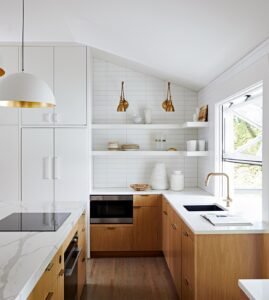
That’s why experienced suppliers such as Imperial Worktops spend time helping homeowners select the correct thickness as well as the right stone. The depth of your surface affects strength, durability, installation cost, and even how premium the room feels. Across the UK, more people are now treating their kitchen worktop as a long-term investment rather than just another fitting, and understanding thickness is the first step towards making a smart decision.
Why Thickness Matters More Than You Think
It’s easy to assume all stone counters perform the same, but thickness changes how a surface behaves under pressure. A thicker slab distributes weight more evenly and is less likely to sag or crack over time. If you regularly place heavy appliances, large pans, or shopping bags on the counter, extra support makes a noticeable difference.
There’s also the comfort factor. A sturdy kitchen worktop feels dependable when you lean on it while cooking or cleaning. Thinner surfaces can still be strong, especially with modern materials, but they often require careful installation and reinforcement. In short, thickness isn’t just cosmetic; it directly influences everyday performance and long-term reliability.
Standard Thickness Options Explained
20mm – Slim and Contemporary
A 20 mm kitchen worktop is ideal for modern, minimalist interiors. The thinner profile creates crisp lines and helps smaller kitchens look more spacious. It’s lighter, often more affordable, and easier to handle during fitting. This option suits apartments or low-traffic spaces, though busy households may prefer something more robust.
30 mm – The Everyday Favourite
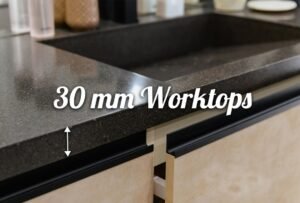
For many UK homes, 30mm strikes the perfect balance. A 30 mm kitchen worktop offers dependable strength while maintaining a clean, elegant look. It works well with quartz, granite, and marble and stands up to daily cooking, chopping, and general family life. Most installers recommend this size as the safest all-around choice.
40mm and Above – Bold and Premium
If you love a dramatic finish, a thicker kitchen worktop delivers real impact. Chunky edges and waterfall islands create a luxury feel often seen in high-end showrooms. These slabs are extremely durable but heavier and more expensive, so cabinets may need additional support.
Matching Thickness With Material
Not all stones behave in the same way, so the right depth often depends on what you choose. Quartz is engineered for strength and can perform well even in slimmer formats. Granite is naturally tough and pairs beautifully with mid-range or thicker designs. Marble, while elegant, is softer and benefits from extra depth for protection.
Selecting the proper kitchen worktop thickness alongside the correct material helps prevent chips, movement, or unnecessary wear. Think of thickness and stone as a team rather than separate decisions.
Style Considerations: Thin vs Thick
Design trends also play a big role. Thin surfaces feel sleek and contemporary, perfect for handleless cabinets and open-plan layouts. They create a light, airy look that suits modern flats and new builds.
Thicker styles, on the other hand, communicate quality and permanence. A substantial kitchen worktop can anchor the entire room and make an island the centerpiece of your home. If you want the best of both worlds, mitered edges can give the illusion of extra depth without the added weight.
Strength and Everyday Practicality
When deciding, think about how your kitchen is actually used. Do children sit at the island for homework? Do you bake regularly or host big family dinners? A hardworking kitchen worktop needs to cope with spills, knocks, and constant cleaning.
For busy households, 30mm or thicker options usually provide the confidence you need. Rental properties benefit from durable yet cost-effective choices, while show kitchens or entertaining spaces might justify something more substantial. Let your lifestyle guide you rather than following trends alone.
Understanding the Cost Differences
Thickness directly influences price. More stone means higher supply costs and slightly longer fabrication times. Heavier pieces may also increase installation labour. Still, choosing a reliable kitchen worktop that lasts decades often proves better value than replacing a cheaper option later. Spending a little more upfront can reduce maintenance and repairs in the future.
Expert Tips Before Making Your Choice
Visit a showroom and view slabs in person, as photos rarely show true proportions. Check that your cabinets can support the weight you’re considering. Ask about edge styles, joints, and reinforcement. Above all, seek professional advice so your kitchen worktop fits both your design vision and practical needs.
Conclusion
Finding the ideal thickness doesn’t have to be complicated. Slim profiles deliver a modern feel, medium sizes offer everyday reliability, and thicker slabs create a luxurious statement. The right Kitchen Worktop should combine beauty, durability, and value so your kitchen remains functional and welcoming for years. Take your time, compare options, and work with trusted specialists to ensure you make a confident, long-lasting choice.
FAQs
1. What is the most common thickness in the UK?
30mm is widely chosen for its balance of strength and style.
2. Is 20mm suitable for families?
It can work, but heavier use may require reinforcement.
3. Are thicker surfaces stronger?
Generally yes, as they distribute weight more effectively.
4. Does thickness change the look of a kitchen?
Absolutely, it affects both proportions and overall style.
5. Which material works best with slim designs?
Quartz often performs well due to its engineered strength.
6. Do thicker slabs cost more?
Yes, because they use more stone and labour.
7. Can cabinets support heavy stone?
Most can, but installers may add extra bracing.
8. Are thick edges outdated?
No, they remain popular in luxury kitchens.
9. How long should a quality surface last?
With care, stone worktops can last decades.
10. Should I hire professionals for installation?
Always, as precise fitting ensures safety and longevity.