
Choosing the right worktop material is one of the most important decisions when planning a kitchen. It affects how the space looks, how it performs day to day, and how well it stands up to years of use. At Imperial Worktops, homeowners often ask which surface truly works best for real kitchens, not just showrooms. The answer depends on how you cook, how much maintenance you want, and the overall style you are aiming for.
Every kitchen is different. Some are busy family spaces used from morning to night, while others are more about design and entertaining. This guide breaks down the most popular kitchen surfaces in the UK and explains how each option performs in everyday life, so you can make a confident and informed choice.
Key Factors When Choosing a Worktop Material
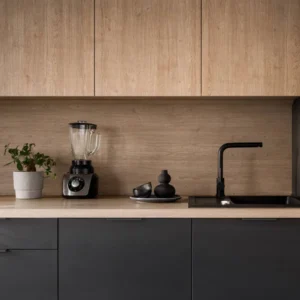
Before comparing individual options, it helps to understand what really matters in a kitchen.
Durability is essential. A kitchen surface must cope with heat, sharp utensils, heavy cookware, and constant cleaning. A good worktop material should handle daily use without showing damage too quickly.
Maintenance is just as important. Some surfaces need regular sealing and careful cleaning, while others are designed to be low-maintenance and forgiving.
Design plays a big role as well. Kitchens are often the heart of the home, and the surface should suit both the layout and the overall style.
Finally, budget and long-term value should always be considered. A surface that lasts longer and needs less upkeep can be a better value over time.
Quartz Worktop Material
Quartz is one of the most popular choices in modern UK kitchens. It is an engineered stone made by combining natural quartz with resins, creating a strong and consistent surface.
As a worktop material, quartz is known for being low-maintenance. It is non-porous, meaning it does not absorb liquids, stains, or bacteria. Every day spills can be wiped away easily, making it ideal for busy households.
Quartz also offers excellent design flexibility. It comes in a wide range of colors and finishes, from subtle neutral tones to bold statement designs.
The only thing to be mindful of is heat. While durable, quartz should be protected from very hot pans. Overall, it is a reliable choice for kitchens that need practicality without compromising on appearance.
Granite Worktop Material
Granite has been used in kitchens for decades and remains a popular natural stone option. Each slab is unique, giving every kitchen its own character.
This worktop material is extremely durable and naturally heat-resistant, making it well-suited to frequent cooking. It handles heavy use better than many alternatives.
Granite does require sealing to protect it from moisture and staining, but with proper care, it can last for many years.
Granite is ideal for homeowners who want a natural surface that feels solid, timeless, and built to last.
Marble Worktop Material
Marble is often chosen for its elegant appearance and classic appeal. The natural veining creates a luxurious look that few materials can match.
As a worktop material, marble requires more care. It is more porous than quartz or granite and can stain or scratch if spills are not cleaned quickly.
Because of this, marble works best in kitchens where appearance is a priority and heavy daily use is limited. Many homeowners use it for islands or feature areas rather than main preparation zones.
With the right care, marble can still be a stunning addition to the right kitchen.
Limestone Worktop Material
Limestone offers a softer, more understated look compared to other natural stones. Its warm tones suit traditional and classic kitchen designs.
This worktop material is less dense, meaning it can scratch more easily and needs regular sealing to maintain its appearance.
Limestone is often chosen for its character rather than maximum durability. It suits kitchens where design and atmosphere matter more than heavy use.
Porcelain Worktop Material
Porcelain is a modern surface designed for performance. It is manufactured at extremely high temperatures, resulting in a dense and durable finish.
As a worktop material, porcelain is resistant to heat, scratches, stains, and UV light. It performs exceptionally well in busy kitchens and open-plan spaces.
Its slim profile creates a clean, contemporary look. While installation requires specialist expertise, porcelain offers excellent long-term durability with minimal maintenance.
Comparison of Popular Kitchen Worktop Materials
Each surface has its strengths.
Quartz offers balance and ease of care. Granite provides natural strength and heat resistance. Marble delivers visual impact with higher maintenance. Limestone brings warmth and character. Porcelain stands out for modern performance.
The best option depends on how the kitchen is used, how much maintenance you are comfortable with, and the style you want to achieve.
Choosing the Right Worktop Material for Your Kitchen
Lifestyle should guide your decision. Busy family kitchens usually benefit from durable, low-maintenance surfaces, while design-focused spaces allow more flexibility.
Think about cooking habits, cleaning routines, and long-term upkeep. The right worktop material should support daily life, not make it more difficult.
Expert advice can help you narrow down the most suitable option based on your kitchen layout and usage needs.
Conclusion
There is no single surface that suits every kitchen. Each worktop material offers different advantages, whether that is durability, appearance, or ease of care. Quartz remains a strong all-rounder, granite appeals to lovers of natural stone, porcelain delivers high performance, and marble and limestone provide distinctive visual appeal.
Choosing carefully ensures your kitchen surface not only looks good but also performs well for years to come.
FAQS
1. What is the most durable worktop material for kitchens?
Porcelain and granite are among the most durable options, offering excellent resistance to heat, scratches, and everyday wear.
2. Which worktop material is easiest to maintain?
Quartz is considered one of the easiest surfaces to maintain due to its non-porous nature.
3. Is natural stone better than engineered surfaces?
Natural stone offers unique character, while engineered surfaces provide consistency and lower maintenance. The better choice depends on lifestyle.
4. Can a worktop handle hot pans?
Granite and porcelain handles handle heat well. Quartz should be protected from direct contact with very hot cookware.
5. Are marble worktops practical for everyday kitchens?
Marble is best suited to light-use kitchens or feature areas due to its higher maintenance needs.
6. How long does a kitchen worktop last?
With proper care, quality worktops can last 20 years or more.
7. Does the worktop material affect hygiene?
Yes. Non-porous surfaces are more hygienic, as they do not absorb moisture or bacteria.
8. Which worktop material suits busy family kitchens?
Quartz and porcelain are ideal due to their durability and low maintenance.
9. Do all stone worktops need sealing?
Natural stones usually require sealing, while engineered surfaces do not.
10. Can different worktop materials be used in one kitchen?
Yes. Many kitchens combine materials to balance practicality and design.